A Foreign Princess in the Constantinopolitan Court and amid Severe Power Struggles: Maria of Antioch

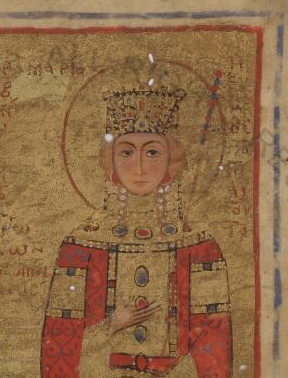
Vat. gr. 1176, f. IIr

Empress Maria from Vat. gr. 1176, f. IIr

In the history of Byzantine Empire, 11th and 12th centuries were exceptional regarding the number of powerful women who steered the empire or had an impact on the imperial policies,[1] although previous centuries also encountered mighty empresses such as Theodora, wife of Justinian II. [2] Starting from Zoe Porphyrogenite (1028-50), some of these powerful women held the power directly at their hands, whereas some of them held it more indirectly, some acted as the regents for their sons, the nominal emperor, for example. In either case, these powerful rulers of Byzantium say a lot about the political and social transformations in the 11th and 12th centuries, as well as they, contribute much for the women studies in the Byzantine period.[3] Despite the multitude of powerful women rulers who sit in the capital city, Constantinople, this paper deals with one of them: Maria of Antioch, or with the monastic name she adopted for herself Maria-Xene. Okumaya devam et →
An Alternative Approach for Reading the Pediments and Metopes of the Temple of Zeus at Olympia

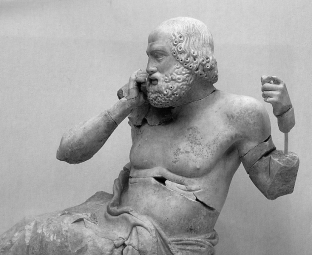
In the northwestern part of the Peloponnesian peninsula, one of the most important The old seerPanhellenic sanctuaries of Greece is located: the Sanctuary of Olympia. Formerly encircled by a large temenos, the Altis, in which Altar of Zeus and Pelopion, the cult of the hero Pelops, existed, this sacred area, in later periods, obtained many buildings activities which were crowned by the completion of the Temple of Zeus.[1]The construction process of the temple began in 470 BC[2]and completed in 456 BC[3]; built with the Doric order, it was the offering of Elis, a nearby city-state which defeated Pisa before deciding to build the temple. The only ancient source about the temple, Pausanias relates that the temple was paid of the spoils of the war, and its architect was Libon of Elis:
Okumaya devam et →

The Relationship Between the Kings and the Cities in the Hell​enistic Period

When Alexander the Great decided to take revenge from the Persians after he had inherited a kingdom from his father, Philip II, he was also giving a new direction to Greek history. From several different aspects, this new period differed from the Classical period of Greek history and it continued some the basic institutions of Greeks, and in this same period, these institutions prospered and expanded through the most parts of the known world. Okumaya devam et →

Rönesans ve Rönesans’ın Avrupa Dışı Kaynakları

Rönesans çoğunlukla modern Avrupa toplumunun ve bireyselliğin doğuşu olarak değerlendirilen tartışmalı bir tarihsel periyottur. Tartışmalı olduğu için de pek çok başka örnekte olduğu gibi tarihsel sınırlarını belirlemek oldukça zor. Fakat, en çok kabul edilen yaklaşım Rönesans’ın 1330-40’larda yani ilk hümanist Petrarca’nın yaşadığı dönemde başlayıp, 17. yy.’a kadar devam ettiğini kabul eder. Bu periyod Hıristiyan Avrupa’nın sınırlarına ve Ortaçağlı atalarının kurduğu dünya görüşüne hapsolmuş insanların kendi zincirlerini kırmaları ile gelişmeye başladı. Bu insanlar hem Rönesans’ı ortaya çıkardı, hem de Rönesans onları geliştirdi.

Okumaya devam et →

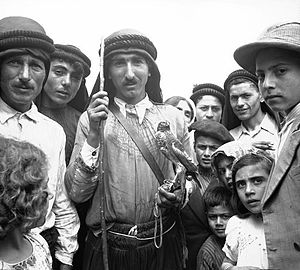
Nusayri Alevileri’ne Kısa Bir Bakış

İstanbul’da okumaya başladığım dönemde -belki de yaşadığım yere duyduğum hasretin etkisiyle- kim olduğuma, kendi öz kimliğime dair sorular çokça aklıma gelmeye başlamıştı. Türkiye Cumhuriyeti sınırları içerisinde yaşayıp eğitim alma şansına sahip her birey gibi ben de klasik Türk tarih anlatısı ile büyümüştüm daha doğrusu büyütülmüştüm. Beynimin içi Türk ulusunun kazandığı ”büyük zaferler” ile dolup taşıyordu. Bir gün ”o büyük, o ulu Türklerden” biri olmak için gerekli gücü ”damarlarımda akan asil kanda” buluyordum ve tarih kitaplarını elimden indirmiyordum. Yine de derinlerde bir yerde gerçeğin böyle olmadığını biliyordum. Benim çevrem, benim köyüm, çevremin yaşayış biçimi asimilasyon altında can çekişse de arkadaşlarımın çevresinden, arkadaşlarımın köylerinden, onların yaşam biçimlerinden oldukça farklıydı. Türbelere gidiyorduk, büyüklerim Arapça konuşuyordu, ”cami” bize oldukça yabancıydı, sakalları dizlerine kadar uzayan şeyhlerimizi her gördüğümüzde hazır ola geçer, ellerini öperdik. Yeni tanıştığım bir insan oldu mu evde sorulan ilk soru ”mınnınna mı?” olurdu.

Okumaya devam et →

The Renaissance and Its Roots Outside Europe

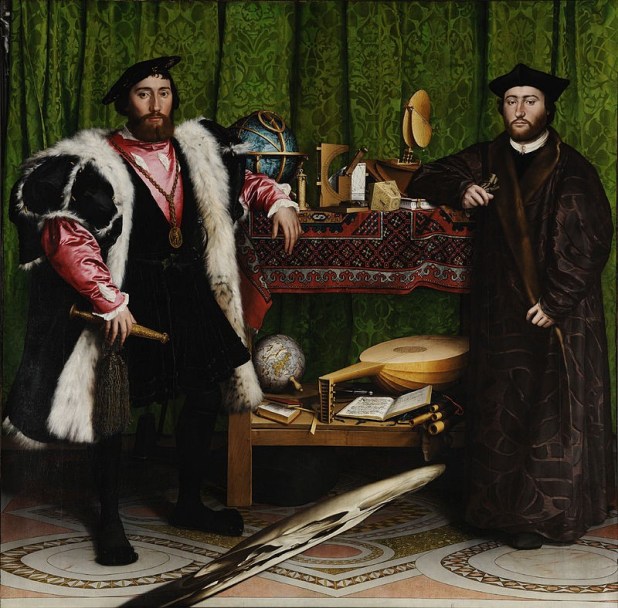
The Renaissance is defined by most people as the birth of modern European society and its limits are drawn only along Christian Europe. Most studies that had dealt with Renaissance celebrated European society for its achievements in the revival of classical cultures and establishing the new period that is called Renaissance and that led modern Europe. All they had thought about the Renaissance is shaped without the inspirations of others. However, recent studies suggest that the Renaissance can only be understood through powerful influences that had come from outside Europe. This paper aims to show that the Renaissance owes much to the influences of others. Although Renaissance is a historical period that occurred in the borders of Europe, it can be said that without the Eastern world and the other cultures, it would be hard to talk about the Renaissance.

Okumaya devam et →